Get Started
Request roofing help for your property
Tell us about your roof, the issue you are seeing, and your location. We will help you understand the next step and provide a free quote for the work your property needs.
Services
Water stains near a ceiling tile, soft spots near the roof edge, or a leak that shows up after a storm can put a commercial property on a short clock. When the roof starts showing these signs, the next step is getting a clear inspection and a repair plan that matches the building, the material, and the scope of the problem.
For property owners and managers across Costa Mesa, CA, Diego's Roofing Corp. handles commercial roofing work with straightforward communication and practical solutions. We look at the full roof system, identify where water is entering, and recommend the next step whether that means repair, replacement, inspection, waterproofing, or another service tied to the roof surface and structure.
Commercial roofs rarely fail all at once. More often, they start giving small warnings that are easy to overlook until they affect tenants, operations, or stored equipment. A roof that appears fine from the ground can still have drainage issues, seam separation, punctures, worn flashing, or material breakdown that only show up during a closer look.
Common signs that deserve attention include:
Commercial roofs protect more than a building shell. They protect inventory, equipment, tenants, and daily operations. Catching the early signs can keep a manageable repair from becoming a larger project.
Commercial roofing needs vary by material and structure. A flat roof has different weak points than a pitched roof, and a tile-covered building calls for a different repair approach than a metal system. We work with roofing materials commonly used on commercial and mixed-use properties throughout Costa Mesa, CA.
Flat roofing often needs close attention around seams, edges, drains, and low-slope areas where water tends to collect. When these spots wear down, leaks can spread quietly before they become obvious indoors. Repairs and replacements must account for drainage, surface condition, and the roof’s current layout.
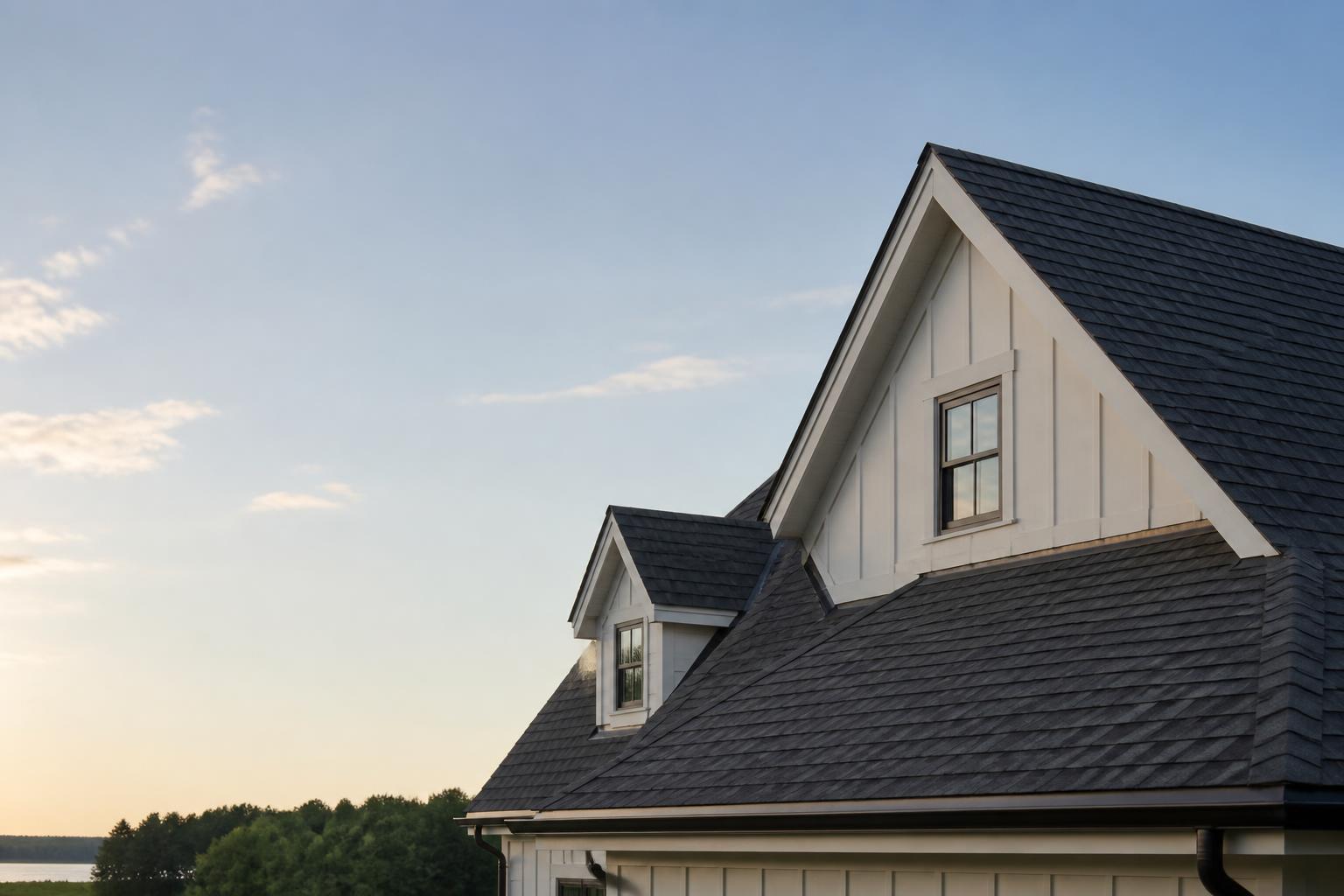
Some commercial buildings use shingle or tile roofing, especially on properties with varied architectural sections or office-style structures. These roofs can develop broken pieces, loose fasteners, or flashing problems that let water reach the underlayment and roof deck.
Metal roofing can be a strong option for commercial buildings, but seams, fasteners, and transitions still need attention over time. If those points open up, water intrusion can move along hidden paths and show up far from the actual source.
Each roof type needs the right repair method. Matching the solution to the material helps avoid repeat problems and unnecessary disruption.
A commercial roof should be evaluated with a clear process, not guesswork. We start by looking for the source of the issue, then trace how water may be entering, traveling, and showing up inside the property. That helps separate surface damage from deeper structural concerns.
We look over the roof surface, flashing, edges, penetrations, and visible wear points. This helps identify obvious damage and areas that need closer attention.
Water often appears away from the entry point. We check surrounding areas to narrow down where moisture is getting through and what roof components are involved.
We evaluate whether the problem calls for repair, replacement, roof inspection follow-up, waterproofing, decking work, wood replacement, or another related service.
That process gives property owners a cleaner picture of what is happening on the roof, not just what is visible inside the building.
Some commercial roofs need targeted repairs. Others have reached a point where replacement is the more practical path. The right choice depends on the roof’s age, the amount of wear, the extent of the damage, and how often the same trouble keeps coming back.
Repair work may be a fit when damage is limited to a section, a flashing detail, a puncture, or a specific leak point. Replacement becomes more likely when large areas are worn, the roof surface is aging across the whole structure, or repairs no longer solve the underlying issue.
Localized issues often respond well to patching, sealing, flashing repair, wood replacement, or related work tied to the damaged area.
If the roof has widespread deterioration, repeated leaks, or structural wear beneath the surface, a new roof can offer a cleaner long-term path for the property.
We also work with roof installations for commercial properties that need a fresh start after the existing system has reached its limit.
Commercial roofing problems often begin where the roof meets another surface. Transitions, seams, penetrations, and edge details are common weak points. These areas need careful attention because even a small opening can let water reach insulation, decking, or interior finishes.
Related services can include:
When these parts are handled together, the roof is easier to inspect, maintain, and protect over time.
Commercial roofing projects usually need clear planning so the building can keep operating as smoothly as possible. Whether the job is a repair or a full replacement, the work should follow a practical sequence that keeps the property owner informed.
We examine the roof and discuss the symptoms you have noticed, from leaks to visible wear.
We explain what the roof needs and which materials or services are involved.
The repair or replacement is completed with attention to the affected areas and the surrounding roof system.
We review the finished work and confirm that the key problem areas were addressed.
For building managers, this kind of structure matters. It helps reduce confusion and keeps the process easier to coordinate with tenants, staff, or other property services.
Commercial roofing needs can vary widely across Costa Mesa, CA, because every property has its own layout, age, and roof design. Office buildings, retail spaces, warehouses, and mixed-use properties may all need different combinations of repair, replacement, inspection, and exterior work.
Diego's Roofing Corp. serves commercial properties throughout Costa Mesa and nearby service areas including Newport Beach, Irvine, Huntington Beach, Santa Ana, Tustin, Fountain Valley, Newport Coast, and Laguna Beach. If the building has a flat roof with recurring ponding, a tile section with broken pieces, or a metal system with failing seams, we tailor the work to the actual condition of the roof.
That local focus matters because commercial roof problems often show up first as small, isolated symptoms. Responding early can help preserve the roof structure and reduce disruption inside the building.
Signs like ceiling discoloration, damp insulation, or water near upper walls often point to a roof issue, but the entry point may be away from where the moisture appears inside.
Yes, when the damage is limited to a section or a specific roof detail. The roof condition and the source of the problem help determine whether repair is the right fit.
Commercial roofs may use flat roofing, shingles, tile, or metal roofing depending on the structure and design of the property.
Ponding water can happen when drainage is poor, the roof surface has settled, or the slope is not moving water away as it should.
Yes. Skylights, solar tubes, vents, and other roof penetrations often need careful sealing and flashing work because they can become leak points.
It helps to know where leaks have shown up, when they occur, and whether any areas of the building have repeated moisture problems.
If your commercial roof shows signs of wear, water intrusion, or drainage trouble, the best move is to have it looked at before the damage spreads. Diego's Roofing Corp. provides commercial roofing services for properties across Costa Mesa, CA, with inspections, repairs, replacements, and related roof work tailored to the condition of the building.
Call +1 949-903-3723 to discuss the roof, request a free quote, or schedule a complimentary inspection.
Get Started
Tell us about your roof, the issue you are seeing, and your location. We will help you understand the next step and provide a free quote for the work your property needs.